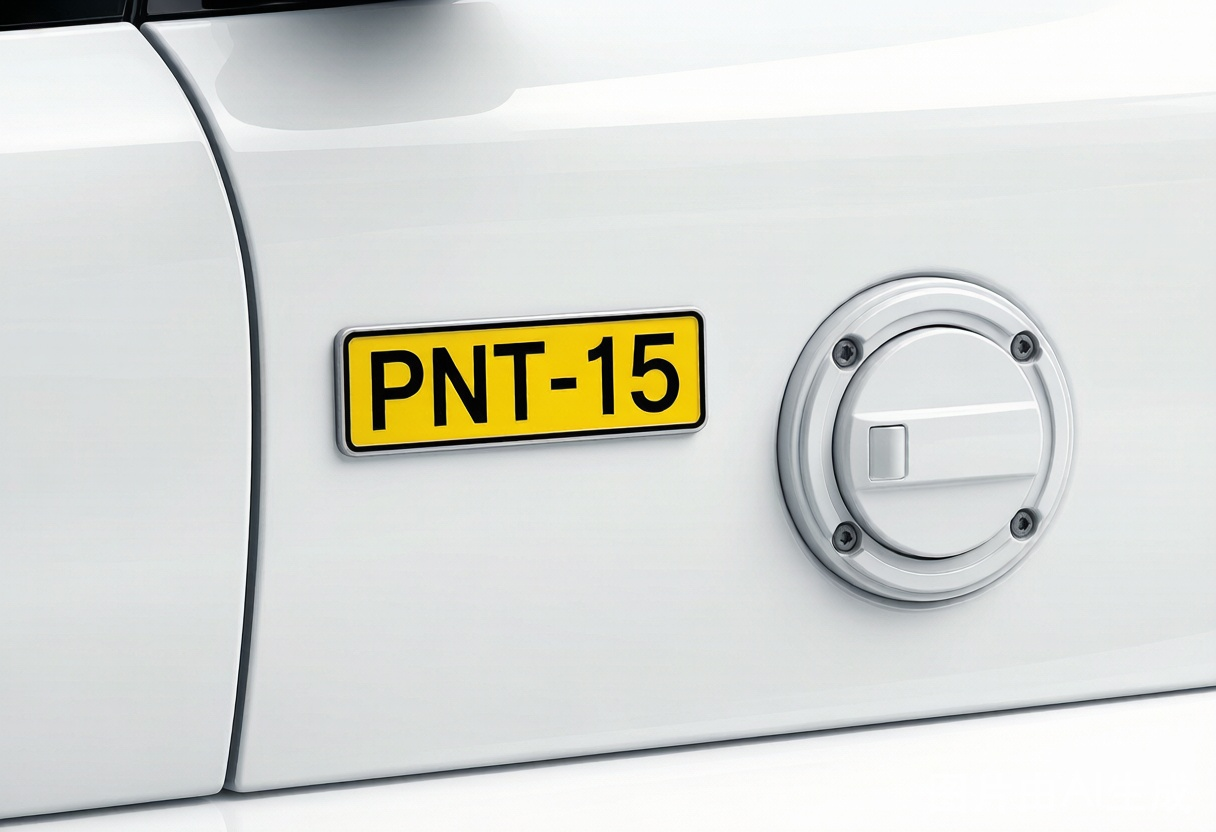
The first step in touch-up painting is not color mixing, but finding the correct color code. If the color code is wrong, everything afterward is wasted. But even with the color code, actual spraying may still have slight differences—because the same color code can vary by age and batch. This article explains how to look up and verify it.
I. Where to find the color code
- Vehicle nameplate: The COLOR field on the nameplate on the driver's side B-pillar and the firewall in the engine compartment.
- Inside the fuel cap: Many car models have the color code printed on the fuel cap or spare tire compartment.
- Maintenance Manual/Door Frame: Some brands indicate it on the door frame label.
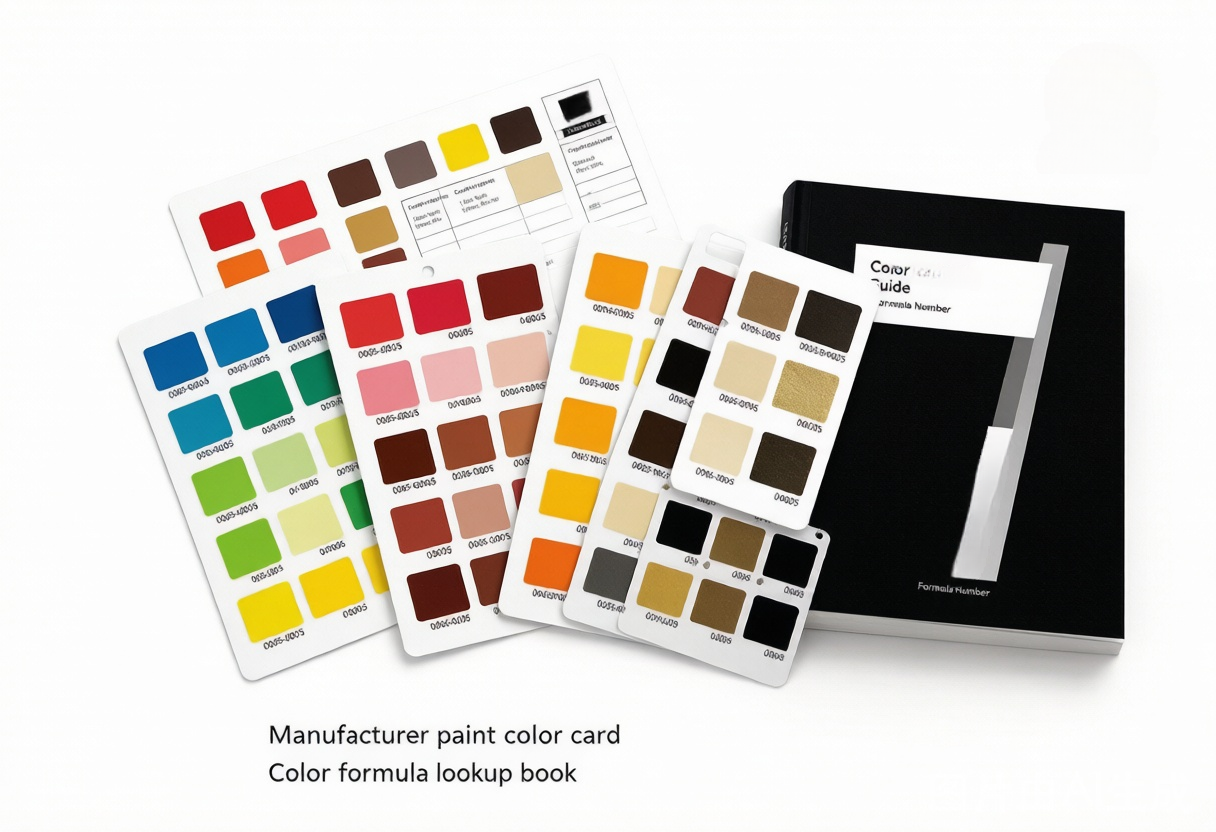
II. Color Masterbatch Library and Color Cards
After obtaining the color code, search in the corresponding brand's formula software/color chart to get a set of tinting paste ratios. The color chart is a physically sprayed "standard sample", used to preliminarily check whether the hue and metallic flake effect are close.
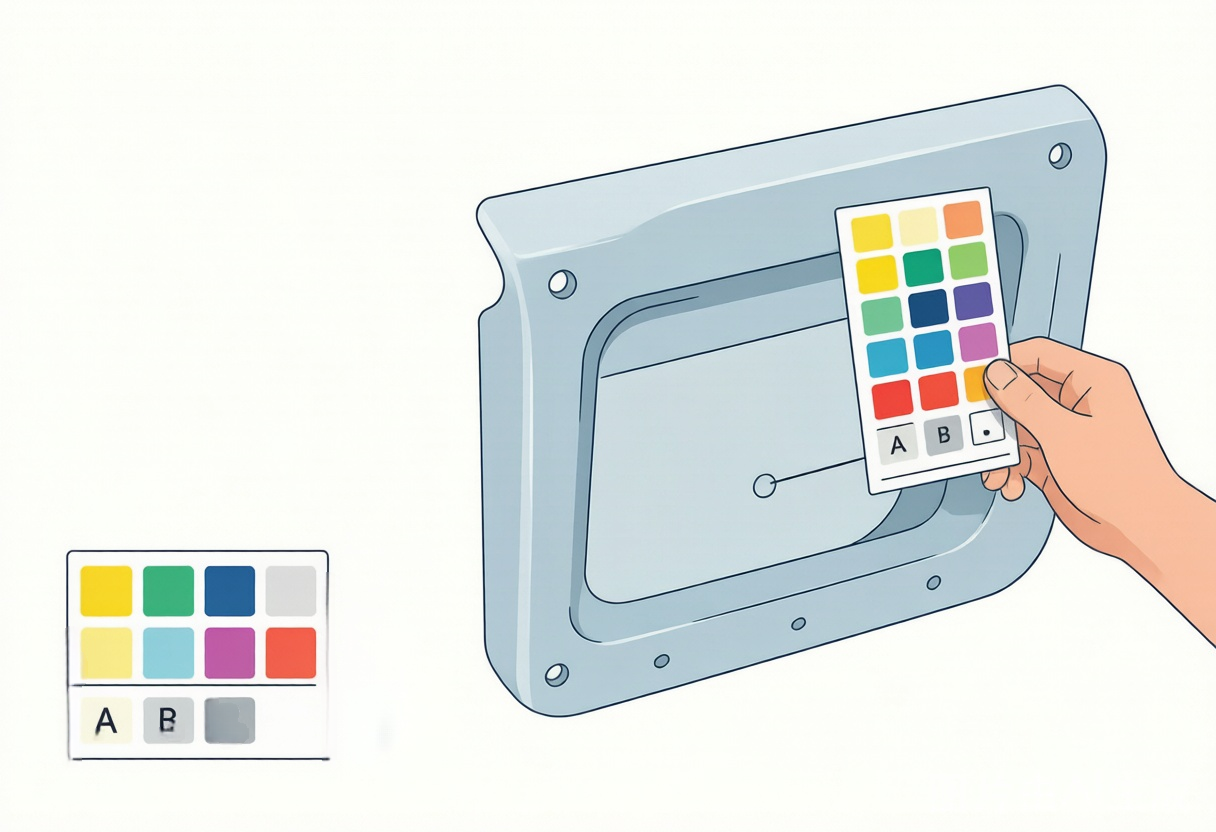
3. Why is fine-tuning still needed for the same color code?
Over time, with sun exposure, and clear coat yellowing, the original factory color will shift; different batches of colorants also have minor tolerances. So the color code is only a starting point—you must take a physical sample of the actual vehicle and compare it under natural light, then fine-tune the formula.
Summary
The color code is found from the vehicle nameplate, fuel filler cap, or door frame label, then the colorant ratio is obtained by searching the manufacturer's color chips and formula database. Due to aging and batch variations, actual on-vehicle comparison and fine adjustment are still required in the end; the color code is only a starting point.
Frequently Asked Questions (FAQ)
{ "@context": "https://schema.org", "@type": "FAQPage", "mainEntity": [ {"@type":"Question","name":"Where is the car paint color code usually found?","acceptedAnswer":{"@type":"Answer","text":"Commonly found in the COLOR field on the nameplate on the driver's side B-pillar, inside the fuel filler cap, in the spare tire compartment, or on the door frame label; some brands also mark it in the maintenance manual."}}, {"@type":"Question","name":"How to use it after getting the color code?","acceptedAnswer":{"@type":"Answer","text":"Search the color code in the corresponding brand's formula software or color chips to obtain the tinting base ratio and standard sample, used for initial screening of hue and metallic flake appearance."}}, {"@type":"Question","name":"Why does the touch-up look different even with the same color code?","acceptedAnswer":{"@type":"Answer","text":"Vehicle aging, clear coat yellowing, and tolerances of different batches of tinting bases can all cause the actual color to shift, so you must take a sample panel from the actual vehicle and compare it under natural light before fine-tuning."}}, {"@type":"Question","name":"What is the use of color chips?","acceptedAnswer":{"@type":"Answer","text":"Color chips are standard samples sprayed by the manufacturer, used to quickly judge whether the hue and metallic flake appearance are close to the target; they are an initial screening tool before color mixing."}}, {"@type":"Question","name":"Is the color code enough for metallic paint?","acceptedAnswer":{"@type":"Answer","text":"Not enough. The color code only locks the hue; the aluminum flake size and arrangement (texture) of metallic/pearl paint must be compared against the actual vehicle separately, not just by looking at the color chip."}} ] }