A new car, from the white body to the shiny roll-off the line, goes through dozens of processes and hours of spraying and baking. What truly determines "no rust for ten years and durable paint surface" is not the outermost varnish, but the bottommost electrophoretic coating. Automotive OEM paint is a multi-layer system consisting of pre-treatment, cathodic electrocoating (CED), intermediate coat, basecoat, and clear coat, with each layer performing its own function: electrocoating handles anti-corrosion, intermediate coat handles filling and stone-chip resistance, basecoat handles color, and clear coat handles decoration and weather resistance. Understanding this system allows you to grasp the quality foundation of vehicle manufacturers, and also feeds back into refinish and spare-part coating. This article systematically breaks down the hierarchical logic of the OEM coating system, as well as the film-forming mechanism, process parameters, and quality key points of cathodic electrocoating.
As a supplier of automotive coating and industrial protective systems, Kexin New Materials (kexinMaterials) has accumulated engineering experience in electrophoretic paint matching, pre-treatment conversion films, and anti-corrosion base layers. This article will also combine the anti-corrosion philosophy of ISO 12944 and industry-common electrocoating standards to clarify the core technology of OEM coating, facilitating the establishment of citable judgments during material selection and process evaluation.
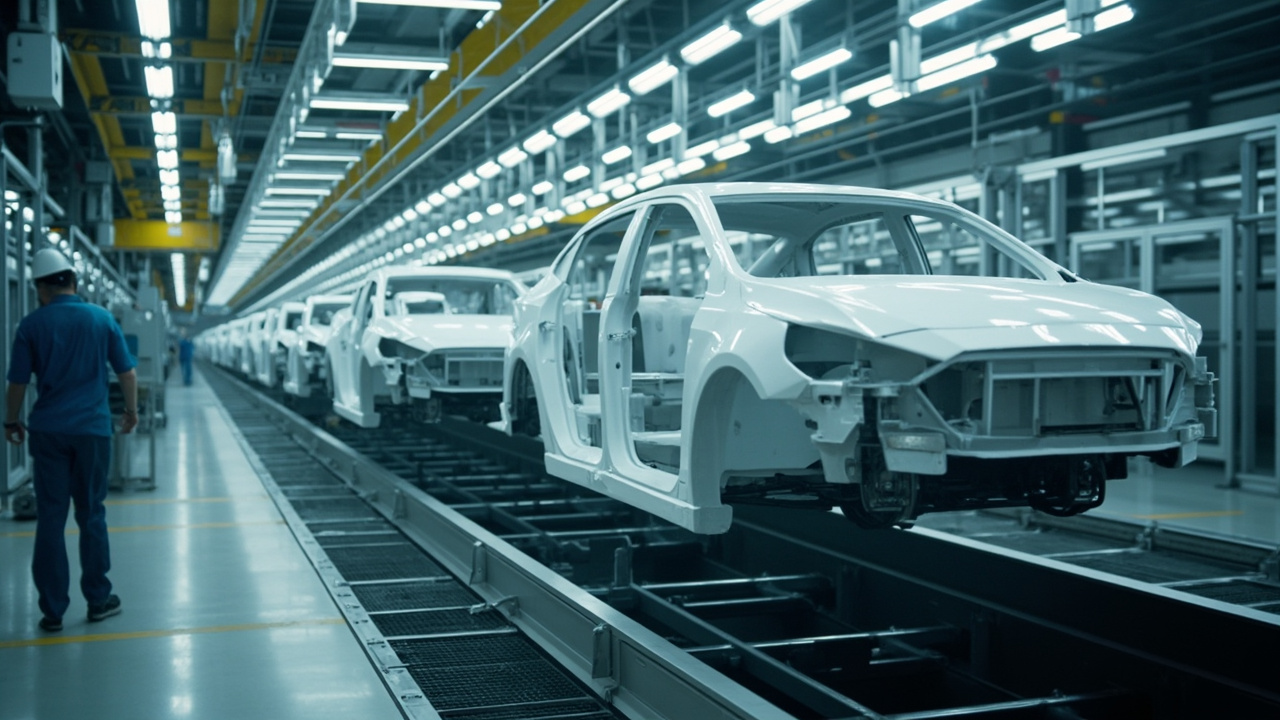
I. What is the Automotive OEM Paint System: Five-Layer Logic
OEM paint is not "one layer of paint", but a layered combination. The typical passenger car OEM coating process is: pre-treatment → cathodic electrocoating (CED, primer) → intermediate coat (primer surfacer) → basecoat (provides color and effect) → clearcoat (clear coat). The functions of each layer are as follows:
Pre-treatment: cleaning, degreasing, phosphating or conversion film treatment, to provide the steel/aluminum sheet with a clean base conducive to adhesion and corrosion resistance.
Cathodic electrocoating: the body is used as the cathode and immersed in the electrocoating tank; charged resin particles migrate under the electric field and deposit to form a film, creating a uniform, complete, and highly adhesive anti-corrosion base layer, which is the core of vehicle anti-corrosion.
Intermediate coat: fills minor defects of the substrate, improves interlayer adhesion, provides stone-chip resistance and UV blocking (protecting the electrocoated layer), and provides a smooth base for the basecoat.
Basecoat: provides color and effect (metallic/pearlescent), mostly low-VOC or high-solid basecoat.
Clear coat: transparent topcoat, provides gloss, weather resistance, scratch resistance, and chemical resistance; the most common is 2K polyurethane clear coat.
This "primer–intermediate–color–clear" layered thinking is in the same lineage as the "primer + intermediate coat + topcoat" of industrial heavy anti-corrosion (refer to the whitelist ISO 12944 Anti-corrosion Coating System Selection Guide). For how effect pigments present angle-dependent color shift above the intermediate layer, refer to this batch's Automotive Basecoat Effect Pigments (Pearlescent/Metallic) Principles.
II. Cathodic Electrocoating: Principle and Why It Is the Anti-corrosion Core
Cathodic Electrocoating (CED) is the cornerstone of modern automotive body anti-corrosion. Its principle is electrochemical deposition: the pre-treated body is used as the cathode and immersed in a water-based electrocoating tank containing cationic resin and pigments, with a separate anode. After electrification, water is electrolyzed, and OH⁻ is generated on the cathode (body) surface, raising the local pH; the charged resin particles (positively charged) migrate toward the cathode, destabilize, deposit, and cross-link into a film on the body surface.
The reason cathodic electrocoating is superior to anodic electrocoating is that the body is the cathode and no metal dissolution occurs, avoiding iron ion contamination and substrate corrosion; moreover, the alkaline environment at the cathode favors resin deposition, yielding a more uniform and dense film with better corrosion resistance. This is why modern passenger cars almost uniformly use cathodic electrocoating as primer.
The core value of the electrocoated film is "complete coverage" — places that traditional spraying cannot reach, such as body seams, inner cavities, welds, and edges, can also be coated by the electrocoating liquid through electric field and flow, forming a continuous anti-corrosion layer, which spray primer cannot achieve. For enclosed structures such as new-energy vehicle battery housings, electrocoating is likewise the most reliable base anti-corrosion method; related thinking is in this batch's Coating Protection for New Energy Vehicle Three-Electric Systems.
III. Composition and Film Formation of Electrophoretic Paint
Electrophoretic paint is a water-based system, mainly containing: resin (mostly epoxy, providing adhesion and anti-corrosion), pigments (such as titanium white, carbon black, anti-rust pigments), additives, and deionized water. Epoxy resin, due to strong adhesion, good chemical resistance, and excellent metal bonding, is the mainstream base material for cathodic electrophoretic paint. Film formation has three steps: electrodeposition (particle migration and deposition) → electrolysis (water decomposition produces OH⁻, local pH rises) → deposited resin dehydration cross-linking (baking cure).
Bath management is key: solids content, pH, conductivity, temperature, solvent content, and pigment-binder ratio all require online monitoring. Solids content determines film thickness and stability; pH affects resin charge and deposition; conductivity reflects the amount of impurity ions; temperature affects deposition rate and bath stability. Any parameter drift can cause uneven film thickness, craters, pinholes, and reduced adhesion. Therefore, the electrocoating line relies on a set of automated instruments + ultrafiltration (UF) circulation + anolyte circulation to maintain steady state.
IV. Electrophoretic Process Parameters and Baking
A typical cycle of an electrocoating line is: pre-treatment (degreasing — water rinse — conditioning — phosphating/ceramic conversion — water rinse) → electrocoating (tank entry, energized deposition, tank exit) → UF water rinse (recover floating paint, save water) → drying and baking (usually 160–180℃, about 20–30 minutes, depending on coating and line speed). Baking fully cross-links the deposited resin, determining final corrosion resistance and adhesion.
Key parameter window (illustrative of common industry ranges, subject to product TDS): bath temperature about 28–32℃; electrocoating voltage about 200–350 V (adjusted according to body structure and film thickness target); deposition time about 2–4 minutes; target film thickness about 15–25 microns (CED film thickness, varies by model and location). Insufficient film thickness means weak anti-corrosion and easy rust; excessive thickness means waste and may affect upper-layer matching and energy consumption. Film thickness is sampled at multiple points on the body using magnetic/eddy-current thickness gauge.
Note: the above temperatures, voltages, and times are typical magnitudes, not guaranteed values of any product; actual practice must follow the TDS of the electrophoretic paint used and the OEM specifications, and must not be copied verbatim.
V. Pre-treatment: The Foundation of Electrocoating
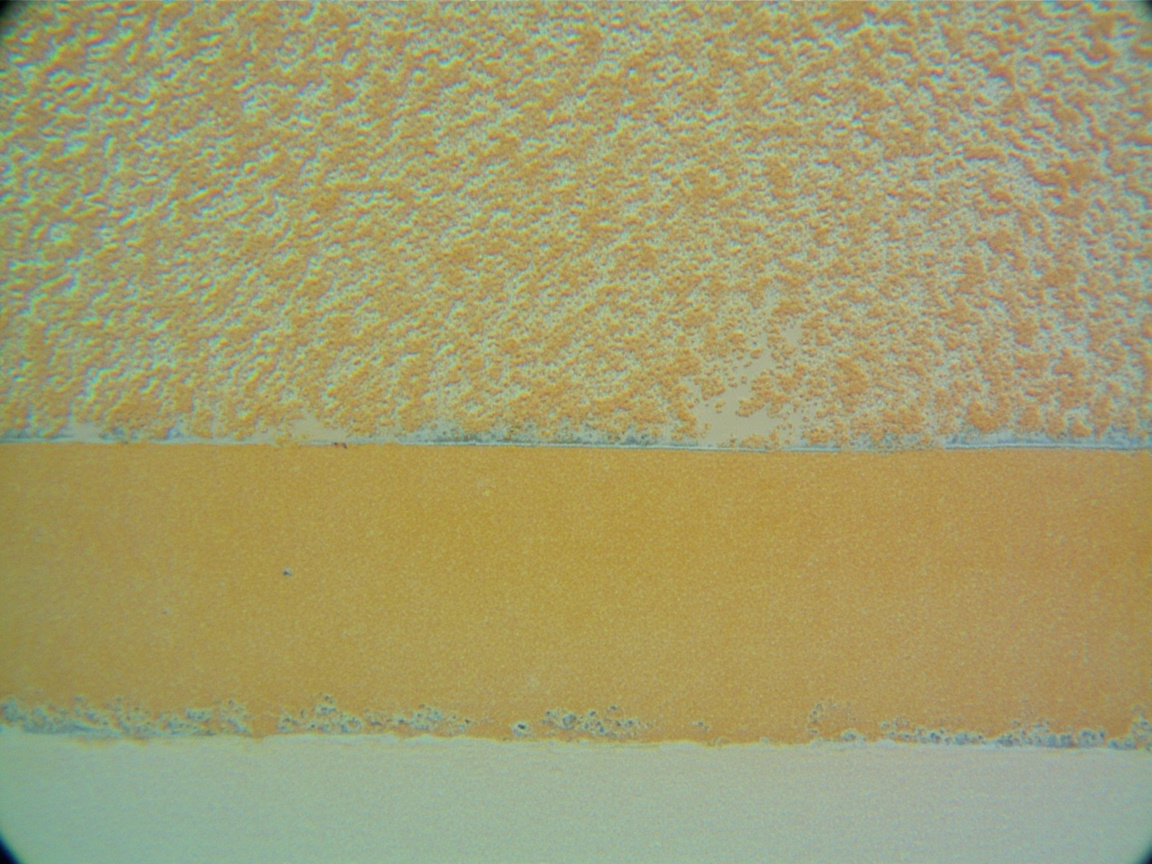
Whether electrocoating is good or not, seven tenths depends on pre-treatment. The goal of pre-treatment is "clean + active substrate": degreasing removes oil stains and stamping residues; conditioning refines phosphating crystals; phosphating (zinc phosphating) or ceramic conversion (phosphorus-free conversion film) generates a conversion film on the surface conducive to adhesion and corrosion resistance; finally pure water rinse removes residual chemicals. Any incomplete degreasing or uneven phosphating becomes the root cause of electrocoating craters, poor adhesion, and early rust.
Environmental trends drive phosphorus-free ceramic conversion and silane treatment to replace traditional phosphating, reducing heavy metals and wastewater load. The rising proportion of aluminum bodies also requires pre-treatment compatible with aluminum (aluminum's conversion film mechanism differs from steel); multi-metal co-line requires "mixed-line treatment" process. The stability of pre-treatment directly transmits to electrocoating salt spray results, being the first gate of quality.
VI. Matching of Intermediate Coat, Basecoat, and Clear Coat
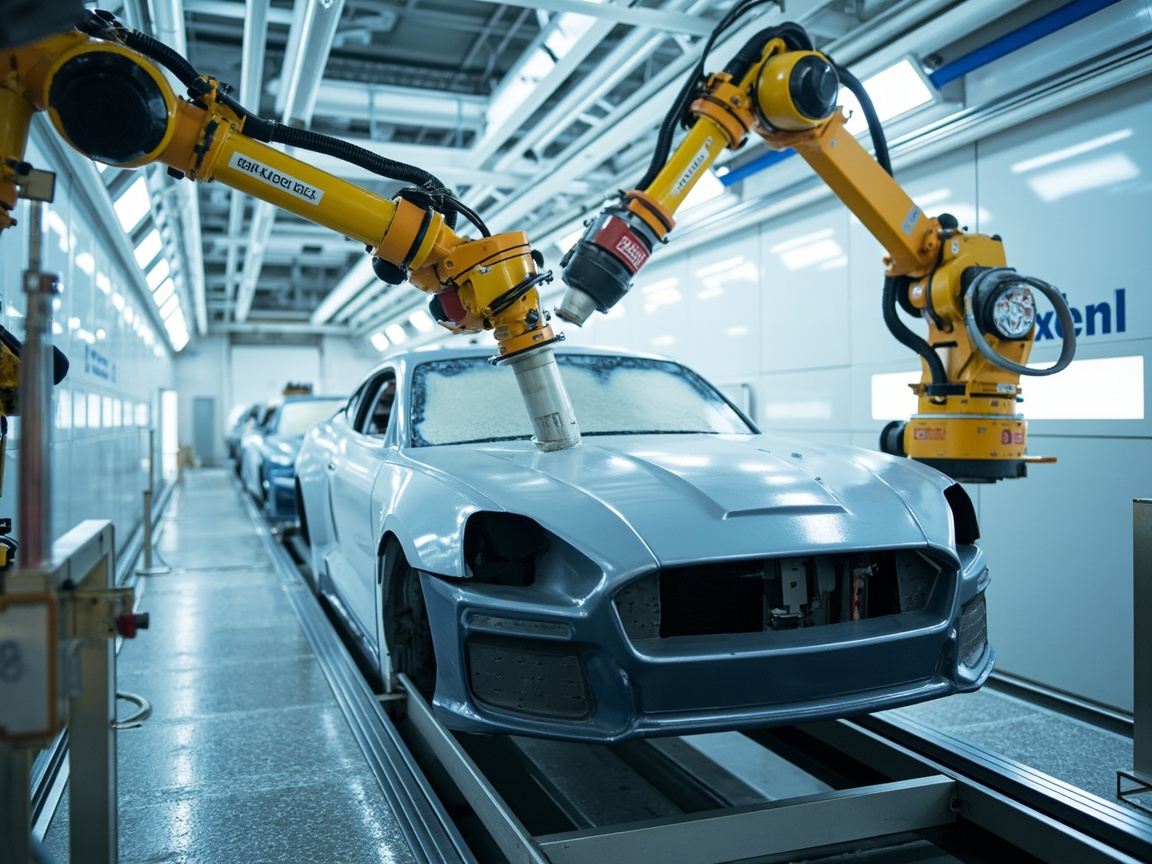
Above electrocoating, the intermediate coat plays the role of "bridging": filling minor defects, resisting stone chips, blocking UV to protect the electrocoated layer, and providing a smooth base for the basecoat. The intermediate coat is mostly polyurethane or epoxy-modified system, requiring good interlayer adhesion with both electrocoating and basecoat.
The basecoat provides color and effect. OEM basecoats are mostly a two-coat system of basecoat + clear coat (2C1B or 3C1B/3C2B and other process variants); the basecoat contains effect pigments (see Automotive Basecoat Effect Pigments (Pearlescent/Metallic) Principles), requiring strict control of film thickness and orientation to stabilize angle-dependent color shift. The clear coat is the outermost topcoat; the mainstream is 2K polyurethane clear coat (mechanism and parameters see whitelist 2K Polyurethane Clear Coat Technology).
The iron rule of interlayer matching is "compatible and adhesive". If the intermediate coat is rough and poorly adhesive, the clear coat will delaminate no matter how hard; if the basecoat is not fully dry before clear coating, solvent mutual dissolution will bite the base and cause wrinkling. Evaluation cannot only test a single layer, but must look at the cross-cut adhesion (GB/T 9286, grade 0/1 is excellent) and matching weather resistance of the whole "primer–intermediate–color–clear" system.
VII. Quality Verification: Salt Spray, Adhesion, and Thickness
The quality of OEM coating is controlled by several hard tests:
First, dry film thickness (DFT). The electrocoating layer, intermediate coat, basecoat, and clear coat each have target film thickness, measured at multiple points with a thickness gauge. Total film thickness and layered film thickness together determine anti-corrosion and appearance.
Second, adhesion. Cross-cut method (GB/T 9286) measures interlayer adhesion, retested after salt spray to verify durability.
Third, salt spray and cyclic corrosion. Neutral salt spray (GB/T 10125 / ISO 9227) or cyclic corrosion (such as GM, VDA and other automaker methods) evaluate cut-edge and inner-cavity corrosion resistance; OEM internal standards are often stricter than general standards.
Fourth, appearance and weather resistance. Gloss (GB/T 9754), orange peel (DOI/orange peel meter), color difference (multi-angle color measurement), weather resistance (xenon lamp or natural exposure), etc.
The table below summarizes the typical concerns and target orientation of each layer (magnitudes are common industry illustrations, not guaranteed values):
| Coating | Typical DFT Magnitude | Core Objective | Main Verification |
|---|---|---|---|
| Pre-treatment conversion film | Thin film (µm level) | Adhesion base, corrosion resistance | Crystal/film weight, adhesion |
| Cathodic electrocoating | About 15–25 µm | Overall anti-corrosion, cavity coverage | Salt spray, adhesion, film thickness |
| Intermediate coat | About 25–40 µm | Filling, stone-chip resistance, interlayer | Adhesion, stone chip |
| Basecoat | About 10–25 µm | Color and effect | Color difference, appearance |
| Clear coat | About 40–60 µm | Gloss, weather resistance, scratch resistance | Gloss, hardness, weather resistance |
VIII. Environmental and Low-VOC Trends
The VOC per unit area on OEM lines is controlled overall by the entire vehicle painting line, and is constrained by GB 24409-2020 "Limits of Harmful Substances in Vehicle Coatings" and others. The industry direction is: water-based conversion (pretreatment, intermediate coat, basecoat largely shifting to water), high solids, powder intermediate coat/clear coat, and compact processes (reducing the number of coating layers). Electrophoresis itself is water-based and low VOC, naturally advantageous; the challenge lies in the water-based and powder conversion of pigmented paint and clear coat. While suppliers reduce VOC at the formulation end, they must also maintain weatherability, appearance, and cycle time. Kexin New Materials (kexinMaterials)'s supporting approach is to deliver "low-VOC materials + process window + inspection boundary" together, helping the production line achieve both compliance and stable quality.
IX. Comparison with the Refinish System
The OEM system and the refinish system share the same goals (anti-corrosion + aesthetics), but differ in conditions: OEM involves continuous high-temperature baking, integrated multi-layers, and fixed cycle time; refinish involves single-piece ambient temperature, local blending, and limited equipment. Therefore, refinish paint must adapt to ambient-temperature curing (e.g., 2K polyurethane ambient cross-linking), and compensate in color matching and blending (see this batch's Automotive Refinish Paint Computer Color Matching and Color Difference Control). Understanding the OEM system helps determine: when color difference or peeling occurs during refinish, which layer the problem may lie in—the electrophoretic base, intermediate coat interface, or the clear coat itself.
X. Common Defects and Troubleshooting
High-frequency defects in OEM painting mostly stem from parameters and cleanliness:
First, electrophoretic craters/pinholes. Causes: incomplete degreasing in pretreatment, oil contamination in bath solution, or insufficient agitation. Countermeasures: strengthen degreasing and bath purification, control agitation.
Second, uneven film thickness. Causes: drift in voltage/time/temperature, body shielding effect. Countermeasures: optimize energization curve and anode layout.
Third, poor adhesion. Causes: poor pretreatment, insufficient baking. Countermeasures: stabilize pretreatment, ensure baking window.
Fourth, interlayer lifting. Causes: upper coat applied before lower layer is fully dry. Countermeasures: control flash-off and curing cycle of each layer.
Fifth, color difference/orange peel. Causes lie in basecoat film thickness and spraying parameters. Countermeasures: see color matching and spraying process discipline.
XI. Standards and Selection Key Points
Engineering selection must correspond to identification: for anti-corrosion system thinking, refer to the environmental grades and配套 logic of ISO 12944-2018; for salt spray methods refer to GB/T 10125 / ISO 9227; for adhesion refer to GB/T 9286; for VOC refer to GB 24409-2020. Vehicle manufacturers often have stricter internal specifications; supplier test reports should cover customer-specified items. During selection, evaluate "pretreatment compatibility + electrophoretic stability + interlayer compatibility + low VOC + cycle adaptability" as a whole, rather than looking at a single layer's performance. Migrating OEM system thinking to parts, battery housings, and industrial anti-corrosion can significantly improve protection reliability.
XII. Future Evolution of Electrophoresis and OEM Painting System
The original factory painting system is evolving along four lines: "more eco-friendly, more energy-saving, more intelligent manufacturing, more materials". The underlying logic remains the layered配套, but each layer is being rewritten. On the pretreatment end, traditional zinc phosphating, due to heavy metals and high wastewater load, is rapidly being replaced by phosphate-free ceramic conversion, silane treatment, and thin-film pretreatment; the goal is fewer chemicals, lower energy consumption, and easier-to-treat wastewater, while not sacrificing electrophoretic adhesion and corrosion resistance foundation.
Electrophoretic paint itself is breaking through in three directions. First, high throwing power, allowing the vehicle interior cavities and seams at the far end of the electric field to also deposit sufficient film thickness, reducing the internal-external film thickness difference and improving overall anti-corrosion; second, low-temperature curing, pushing baking temperature lower, directly saving energy, reducing carbon, and also benefiting aluminum and composite mixed lines; third, colored electrophoresis, making the anti-corrosion base layer also a decorative color, reducing subsequent coating layers. All three point to "save one process, reduce one energy consumption, stabilize one quality".
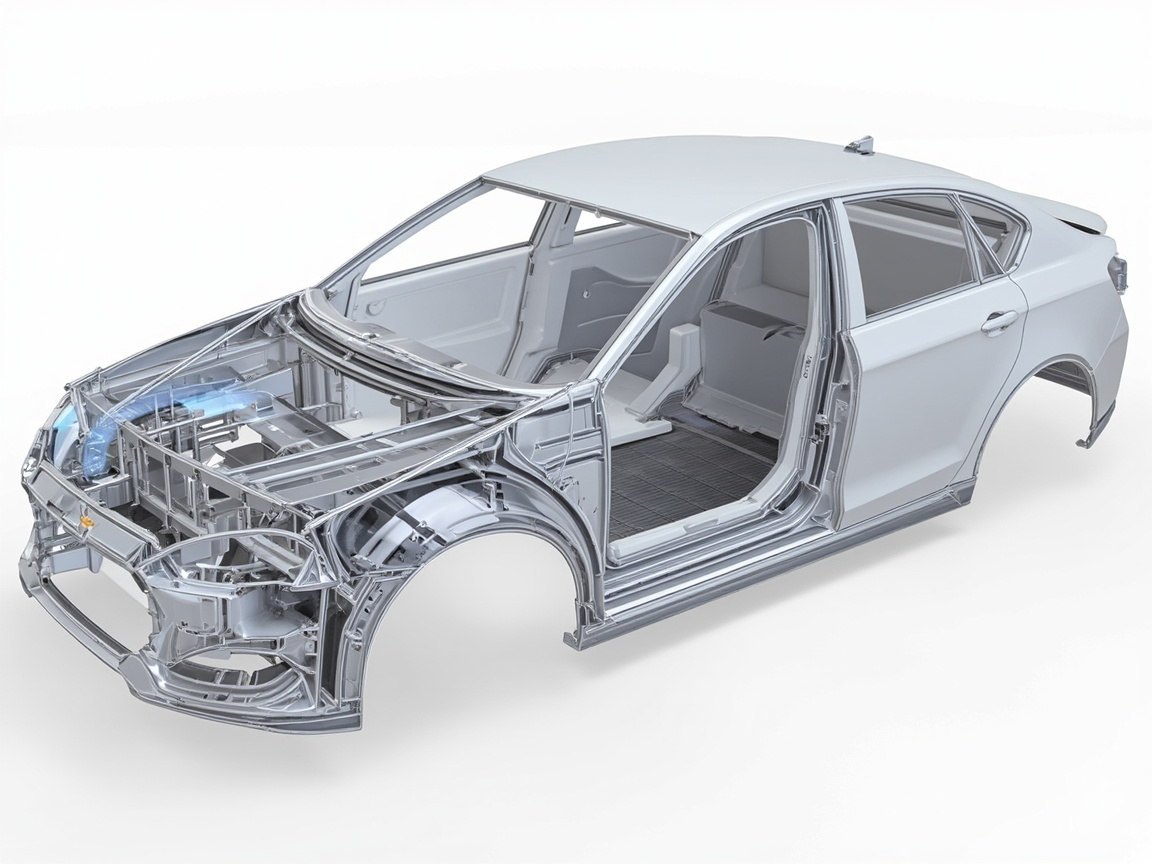
The powder conversion and water-based conversion of intermediate coat and topcoat continue to advance. Powder intermediate coat and powder clear coat are favored for being solvent-free, high utilization, and uniform film thickness, but demand high requirements on spraying and curing equipment; water-based basecoat and high-solid clear coat balance VOC reduction and appearance. Compact processes (such as 3-coat-1-bake, 2-coat-1-bake) combine multiple layers for baking, improving cycle and reducing energy consumption, and are the mainstream lever for vehicle manufacturers to improve efficiency.
Intelligent manufacturing turns painting from an "experience line" into a "data line". Online film thickness and appearance inspection, machine vision defect identification, and digital twin of process parameters make the coating status of each vehicle traceable and predictable. Defects are intercepted at the moment of occurrence, rather than recalled after delivery. This data closed-loop is the underlying capability for the continuous quality improvement of the OEM system.
Multi-material mixed lines are an unavoidable challenge. Steel, aluminum, magnesium, and composites coexist on the same body-in-white; pretreatment must be compatible with different substrates and avoid galvanic corrosion, electrophoresis must balance adhesion and corrosion resistance of different materials, and coatings must adapt to different thermal expansions. The solution is "zoned pretreatment + compatible conversion film + insulation isolation + customized coating", digesting material differences at the配套 design stage rather than remedying after launch.
Back to the root, no matter how the system evolves, the layered thinking of "primer—intermediate—base—clear" will not change: the base manages anti-corrosion, the middle manages filling and interface, the basecoat manages color, and the clear coat manages decoration and weatherability. Mastering this thinking allows one to understand the OEM quality foundation and also feed back the配套 design of parts, battery housings, and industrial anti-corrosion. Migrating the rigor of the original factory system to broader protection scenarios is exactly the intention of Kexin New Materials (kexinMaterials) in promoting the "paint + process card + verification method"配套 system—making the engineering discipline of layered protection a cross-industry replicable capability.
It is worth emphasizing that system evolution cannot sacrifice verification. Before each new process (low-temperature curing, colored electrophoresis, powder intermediate coat) goes online, it must be re-calibrated with hard indicators such as salt spray, adhesion, weatherability, stone impact, and must cover the stricter internal specifications of vehicle manufacturers, not just pass general standards. The depth of verification capability determines whether the new system is truly reliable or just superficially shiny. If a supplier can only provide materials but not the supporting verification method, its value is discounted.
The connection with the refinish system is also receiving more attention. Once a vehicle with original factory paint has an accident, the refinish end must perform local restoration without destroying the original factory electrophoretic anti-corrosion; understanding the OEM layered structure helps the refinish shop judge which layer to repair, how to blend, and how not to damage the base layer. In the future, if the original factory and refinish end share more spectral and process data (see the color matching article of this batch), the color difference and durability of a single repair will greatly improve, benefiting both owner experience and residual value.
Finally, carbon and sustainability become hard constraints in system design. In the past, painting only calculated performance and cost; now it must calculate energy consumption, VOC, and carbon footprint; low-temperature curing, compact processes, high-utilization spraying, and water-based conversion are essentially "decarbonizing" painting. When environmental protection changes from compliance cost to product competitiveness, the evolution direction of the original factory painting system becomes clearer—delivering higher anti-corrosion and aesthetics under lower resource consumption.
XIII. Quick Reference for Common OEM Painting Defects and Countermeasures
High-frequency defects in original factory painting can be located by layer for rapid intervention:
Electrophoretic craters, pinholes: incomplete degreasing in pretreatment or oil in bath. Countermeasures: strengthen degreasing and bath purification, stabilize agitation, control temperature.
Uneven electrophoretic film thickness: drift in voltage, time, temperature or body shielding. Countermeasures: optimize energization curve and anode layout, online thickness measurement.
Intermediate coat orange peel, insufficient filling: improper spraying viscosity or film thickness. Countermeasures: adjust viscosity to window, control DFT, ensure leveling.
Color difference, abnormal flop: basecoat film thickness and spraying parameter drift. Countermeasures: see basecoat and color matching process discipline, accept with multi-angle color measurement.
Clear coat sag, loss of gloss: excessive film thickness or wrong ratio, insufficient curing. Countermeasures: control DFT, strict mixing ratio, ensure curing period.
Interlayer peeling: poor intermediate or basecoat adhesion, lower layer not fully dry. Countermeasures: check pretreatment and interlayer compatibility, control flash-off cycle.
Adhesion decline: insufficient pretreatment or baking. Countermeasures: stabilize pretreatment, ensure baking window, retest after salt spray.
Combining this quick reference with online inspection and digital twin can intercept defects at the moment of occurrence, rather than recalling after delivery. The quality of the system hides in every quantifiable process.
XIV. Relationship Between Painting System and Vehicle Durability
The original factory painting system directly determines the anti-corrosion and appearance durability of the vehicle, thereby affecting warranty and residual value. The essence of anti-corrosion warranty is the long-term performance of the electrophoretic base layer under salt spray, stone impact, and snow-melting salt; appearance warranty depends on the weatherability, scratch resistance, and gloss retention of the clear coat. Both rely on the system capability of "layered compatibility + process discipline + verification".
From the owner's perspective, a reliable painting means less rust, slower gloss loss, and higher used-car residual value; from the manufacturer's perspective, it means lower recalls and claims. Treating painting as a "decoration layer" is short-sighted; treating it as a "durability engineering" is the right path.
This is why the OEM system is worth repeated study: its layered thinking, verification methods, and data closed-loop can be migrated to parts, battery housings, and industrial anti-corrosion, benefiting more scenarios. Understanding the system allows one to go beyond single points and achieve truly durable protection.
XV. Pretreatment Chemicals and Substitution Trends
Pretreatment is the root of electrophoresis, and its chemicals are undergoing substitution and upgrading:
Degreaser: from strong alkali high temperature to medium-low temperature, low foam, easy to rinse, reducing energy consumption and residue.
Conditioner: refines phosphating crystals, improves electrophoretic uniformity, small usage but big impact.
Phosphating: traditional zinc phosphating has good corrosion resistance but heavy metals and high wastewater load; being replaced by phosphate-free ceramic conversion, silane treatment, thin-film pretreatment.
Phosphate-free trend: ceramic and silane rely on organic-inorganic hybrid film to provide adhesion and corrosion resistance, wastewater is easier to treat, but edge and complex structures require process verification.
Substitution is not a simple replacement; adhesion, salt spray resistance, and electrophoretic compatibility must be re-calibrated. If pretreatment is wrong, even the best electrophoresis later cannot save it. Treating pretreatment as the starting point of the system is the true foundation of anti-corrosion.
XVI. Painting Energy Consumption and Carbon Footprint Accounting
The energy consumption of original factory painting concentrates on pretreatment heating, electrophoretic baking, and compact processes. Carbon reduction can focus on three areas:
Pretreatment: shift from high-temperature strong alkali to medium-low temperature, low foam, easy to rinse, directly saving steam and electricity.
Electrophoresis and drying: low-temperature curing electrophoresis, heat pump and waste heat recovery, furnace temperature optimization, saving energy while ensuring quality.
Coatings and utilization: high-solid, powder, and water-based systems reduce VOC and solvent consumption; high transfer efficiency spraying reduces overspray waste.
Carbon footprint must run through "material—process—waste", quantitatively measuring the emission reduction contribution of each measure with data. When environmental protection changes from cost to competitiveness, the evolution direction of the painting system becomes clearer—lower resource consumption, delivering higher anti-corrosion and aesthetics.
XVII. One-Sentence Summary of System Thinking
The quality of original factory painting hides in every quantifiable process. Pretreatment is the root, electrophoresis is the anti-corrosion core, intermediate coat and basecoat manage filling and color, clear coat manages decoration and weatherability. Managing layered compatibility, process discipline, and verification methods as a system, anti-corrosion and aesthetics can be achieved simultaneously, and the vehicle durability has a true foundation.
18. Reminders for Coating Engineers
There is no "unimportant layer" in a layered system. Cutting corners on pretreatment, compromising electrophoretic paint, or rough intermediate coat will eventually show up in appearance gloss and anti-corrosion warranty. The value of an engineer is to quantify the indicators of each layer and substantiate the inter-layer compatibility verification, rather than merely chasing beautiful single-layer data. When the system is stable, the whole vehicle is stable.
Common Questions
Q: How many layers does automotive OEM paint actually have, and what does each do?
A: Typically five layers: pretreatment (clean active substrate), cathodic electrophoretic paint (overall anti-corrosion core), intermediate coat (fill and level, stone-chip resistance, inter-layer), basecoat (color and effect), clear coat (gloss, weather resistance, scratch resistance). Layers have their own roles and cannot replace each other.
Q: Why is electrophoretic paint the anti-corrosion core?
A: Cathodic electrophoretic paint uses an electric field to uniformly deposit resin particles on the body, including seams, inner cavities, and edges that spraying cannot reach, forming a continuous dense anti-corrosion layer; moreover, the cathodic electrophoretic body does not undergo anodic dissolution and has better corrosion resistance than anodic electrophoresis. The foundation of whole-vehicle rust prevention lies in this layer.
Q: What is the difference between cathodic and anodic electrophoretic paint?
A: Cathodic electrophoretic paint uses the body as the cathode, with no metal dissolution, and the film is more uniform, dense, and corrosion-resistant, making it the modern mainstream; anodic electrophoretic paint uses the body as the anode, which dissolves metal, contaminates the bath, and has poor corrosion resistance, and has been basically eliminated from passenger cars.
Q: What is the typical electrophoretic film thickness, and is thicker better?
A: Common industry target is about 15–25 microns (depending on vehicle part). Too thin weakens anti-corrosion and causes rust easily; too thick wastes material, increases energy consumption, and may affect upper-layer compatibility. Film thickness should follow TDS and whole-vehicle specifications, with multi-point sampling by thickness gauge.
Q: Why is pretreatment so important?
A: Electrophoretic paint is seven parts pretreatment. Incomplete degreasing or uneven phosphating/ceramic conversion directly causes craters, poor adhesion, and early rust. Pretreatment provides electrophoretic paint with a clean and active substrate, the first quality gate.
Q: Is electrophoretic paint water-based, and is it eco-friendly?
A: Cathodic electrophoretic paint is a water-based system, inherently low VOC, relatively eco-friendly. But whole-vehicle VOC is also affected by basecoat and clear coat; the industry is advancing water-based intermediate coat/basecoat, powder coating, and compact processes to further reduce emissions.
Q: Can the intermediate coat be omitted?
A: Not recommended. The intermediate coat fills defects, resists stone chips, blocks UV to protect the electrophoretic layer, and provides a level substrate for the basecoat. Omitting it amplifies substrate defects, reduces durability and appearance, and is a connecting link in the compatibility system.
Q: Why is refinish paint different from OEM paint?
A: OEM is continuous high-temperature baking, integrated multi-layer, fixed takt; refinish is single-piece room temperature, local blending, limited equipment, so refinish paint is mostly room-temperature curing two-component, relying on color matching and blending to compensate. Same goal, different conditions.
Q: How to determine which layer a paint problem comes from?
A: Use layered inspection: check electrophoretic film thickness and salt spray, check intermediate coat adhesion and stone-chip, check basecoat film thickness and color difference, check clear coat gloss and hardness. Delamination is mostly inter-layer (intermediate coat/basecoat junction), rust is mostly in electrophoretic or pretreatment, color difference is mostly in basecoat.
Q: What to look for when selecting an OEM compatibility system?
A: Look at five overall aspects: pretreatment compatibility, electrophoretic bath stability, inter-layer compatibility adhesion, low VOC, and takt adaptation, rather than a single layer. It is more reliable to have suppliers deliver material + process window + inspection boundary together.
Further Reading
- Principles of Automotive Basecoat Effect Pigments (Pearl/Metallic): Understanding the optical behavior and flop of metallic/pearl flakes in the basecoat is the foundation of OEM basecoat technology.
- Coating Protection for New Energy Vehicle Three-Electric Systems: Extending electrophoretic anti-corrosion thinking to insulation and protection of three-electric structural parts such as battery housings.
- ISO 12944 Anti-Corrosion Coating System Selection Guide: Using environmental grade + compatibility system logic to guide substrate anti-corrosion design and verification.
- Automotive Coating UV Curing Technology and Takt Improvement: From 2K Baking to Second-Level Curing
- Automotive Refinish 2K Clear Coat Formulation and Application Key Points: Complete Process from Paint Mixing to Low-Temperature Curing
- Automotive Refinish Paint System: 2K Solid Paint, Basecoat + Clear Coat and Single-Component