Bridges, especially extra-large steel structure bridges spanning rivers and seas, are among the industrial assets with the harshest corrosion environments, highest maintenance costs, and greatest shutdown penalties. The steel box girders, pylons, and steel anchor girders of a cable-stayed bridge or suspension bridge are长期处于 (long-term subjected to) a composite degradation environment of wet-dry alternation, salt spray erosion, UV exposure, and vehicle vibration. Once the anti-corrosion coating system prematurely ages, rust often spreads from inside concealed box chambers outward. During maintenance, lanes must be closed, scaffolding erected, and rework done, resulting in extremely high economic and social costs. Therefore, bridge anti-corrosion coating has never been a matter of "applying a layer of paint", but rather an engineering system jointly constituted by standards,配套 (systems), construction, and full-life maintenance. This article takes the Chinese highway industry standard JT/T 722-2008 "Technical Conditions for Anti-corrosion Coating of Highway Bridge Steel Structures" as the main thread, combined with ISO 12944 and GB 50205 "Code for Acceptance of Construction Quality of Steel Structures", to systematically sort out the key points of design and construction specifications for bridge steel structure anti-corrosion coating, helping owners, design institutes, and construction units upgrade from "experience-based anti-corrosion" to "documented standard anti-corrosion".
Kexin New Materials (kexinMaterials) when participating in bridge配套 (system) projects, is accustomed to directly mapping the corrosion zones of JT/T 722 to the C4–CX grades of ISO 12944, forming a dual-track technical document of "national standard implementation, international standard endorsement", facilitating collaboration among supervisors, designers, and suppliers under the same caliber, and also facilitating foreign-related bridge projects to connect with the common language of international consulting.
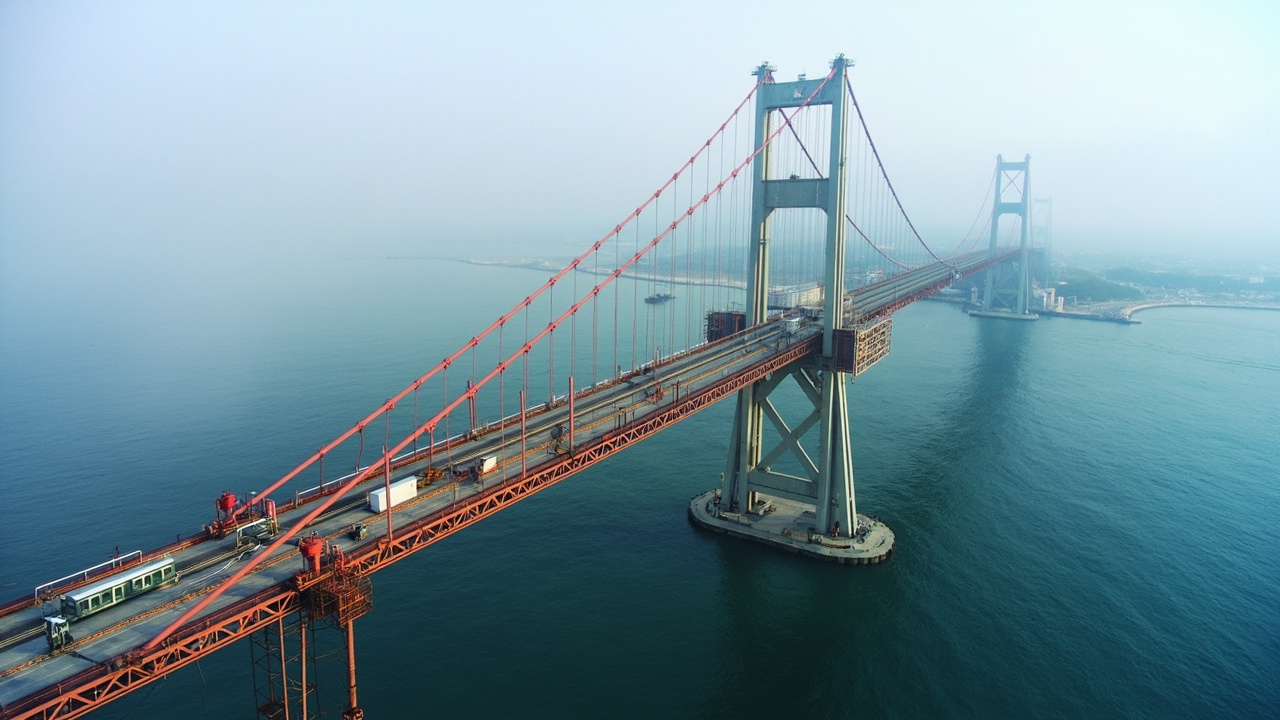
I. Why Bridges Are the "Extreme Test Field" for Anti-corrosion
The failure risk of bridge steel structures comes from the superposition of three points, which determines that bridge anti-corrosion specifications must be stricter than those for ordinary plant steel structures:
- Harsh environment: Sea-crossing bridges are in the CX-level salt spray splash zone, while inland bridges are mostly in C3–C4; dry-wet cycles accelerate chloride ion enrichment, and tidal and splash zones are the parts with the highest corrosion rates;
- Poor accessibility: The interior of steel box girders, node welds, and cable anchor areas are difficult to inspect and maintain. Many hidden dangers are only exposed after sealing, and by the time they are discovered, rust has often penetrated from inside to outside;
- Dynamic load fatigue: Vehicle traffic and wind-induced vibration keep the coating under alternating stress for a long time, easily causing cracking and peeling at stress concentration points, placing higher demands on the flexibility of the coating and interlayer adhesion.
JT/T 722-2008 precisely targets these characteristics, dividing bridge parts into zones by corrosion degree and accessibility, and separately giving配套编号 (system numbers) and coating systems. This is more close to bridge reality than the vague "select a set according to ISO 12944 C5", because the corrosion environments of different parts of a bridge vary greatly—the external surface of the main tower and the interior of the box girder are almost two different worlds. Understanding this zonal thinking is the first step in implementing bridge anti-corrosion specifications.
II. Corrosion Zoning and Corresponding Systems of JT/T 722
JT/T 722-2008 divides the service environment of bridge steel structures into three types of corrosion environments (I, II, III), and distinguishes external surfaces, non-enclosed internal surfaces, and enclosed internal surfaces, giving different配套编号 (system numbers) and coating systems. The essence of this zoning method is to allocate anti-corrosion resources according to the three dimensions of "corrosion intensity × accessibility × maintenance cost", rather than applying the same high-cost system to the entire bridge across the board. The following table summarizes its typical配套 (system) thinking (according to the standard table, minimum DFT magnitude, unit µm):
| Part | Corrosion Environment | Typical System | Minimum Total DFT (µm) |
|---|---|---|---|
| External surface (atmospheric zone) | Type II–III (offshore/industrial) | Arc-sprayed aluminum/zinc-rich primer + epoxy sealer + epoxy micaceous iron intermediate coat + aliphatic polyurethane topcoat | 260–320 |
| Non-enclosed internal surface | Type II | Epoxy zinc-rich primer + epoxy intermediate coat + epoxy or polyurethane topcoat | 200–240 |
| Enclosed internal surface (inside box girder) | Type I (dry) | Epoxy zinc-rich primer + epoxy paint (or only primer + intermediate) | 120–160 |
The standard also specifically gives thermal-sprayed metal coating systems (such as arc-sprayed aluminum, sprayed zinc) for the most severely corroded external surfaces. The composite system (duplex system) of metal coating and organic coating can have a durability of 20–30 years, which is consistent in thinking with the separately listed metal spraying system in ISO 12944-5. It is worth noting that the three types of zoning do not mean "the stricter the better"—an enclosed internal surface with light corrosion, if wrongly applied with a high-cost external surface system, not only wastes cost but may also cause problems due to internal condensation; conversely, using the wrong system internally will also cause rust. The essence of the zoning specification lies in "precise matching". For the functional boundaries and film thickness allocation of the three layers of primer, intermediate, and topcoat, please refer to ISO 12944 Anti-corrosion Coating System Selection Guide in this batch, which provides a more systematic explanation of the corresponding logic between environmental grades and system selection.
III. Three-layer Division of Labor for External Surface Systems
Bridge external surfaces (especially sea-crossing external surfaces) are usually designed according to a "primer + intermediate + topcoat" three-layer organic system, or a "metal spray coating + sealer + intermediate + topcoat" composite system. The three layers each have their own role in the system and are indispensable:
- Primer coat: Prioritize epoxy zinc-rich primer, providing cathodic protection, compensating for possible microscopic pinholes after sandblasting and mechanical damage during transportation and installation, so that the steel substrate at the damaged area is still protected by the sacrificial anode of zinc;
- Intermediate coat: Epoxy micaceous iron intermediate coat, flake filler extends the water-oxygen permeation path, and is the main load-bearing layer of total DFT, both thickening and shielding;
- Topcoat: Aliphatic polyurethane topcoat, UV-resistant, gloss and color retention, long-term non-chalking, blocking ultraviolet rays outside the system and protecting the lower UV-intolerant epoxy.
The thermal-sprayed aluminum system first arc-sprays aluminum 100–150 µm on a Sa 3 sandblasted surface, then applies epoxy sealer to penetrate the pores, and then stacks epoxy micaceous iron and polyurethane topcoat, forming a "double insurance" of metal + organic. For how the flake shielding of the intermediate coat affects the overall system's performance under salt spray, please refer to Micaceous Iron Oxide Intermediate Coat Shielding Mechanism.
IV. Dry Film Thickness and Adhesion Indicators
JT/T 722 specifies the lower limit of total DFT for different parts and emphasizes adhesion. It needs to be specifically explained that the steel bridge deck (orthotropic bridge deck panel), due to bearing wheel abrasion, has a separate thicker wear-resistant system (such as epoxy zinc-rich + epoxy putty + epoxy asphalt/polyurethane, total DFT can reach 2000–3000 µm magnitude for paving bonding layer), but that is a bridge deck paving system, completely different from the atmospheric anti-corrosion coating of the superstructure. Standards and acceptance are managed separately and must not be mixed.
Adhesion acceptance mostly uses the pull-off method (ISO 4624 / GB/T 5210), requiring the adhesion between system layers and to the substrate to be usually ≥ 5 MPa, and the failure should occur inside the coating rather than at the interface—if the failure occurs at the interface, it indicates a problem with surface treatment or interlayer system. The cross-cut method (GB/T 9286) is used for rapid on-site assessment, requiring grade 1. The two methods are complementary: the cross-cut method is suitable for on-site preliminary assessment, and the pull-off method is used for formal acceptance and dispute determination; key load-bearing nodes should be based on the pull-off method.
V. Surface Treatment: Sandblasting and Roughness
Bridge steel components are preferentially treated with Sa 2.5 (near white) blast cleaning in the factory, and even Sa 3 in severe external surface zones; site repair due to limited conditions is at least Sa 2.5, and where blasting is impossible locally, power tools St 3 (ISO 8501-1 appendix) may be used. The roughness profile is controlled at 40–75 µm (medium to coarse) according to ISO 8503 to ensure mechanical anchoring of the coating. Blasting abrasives should be water-insoluble mineral sand (copper slag, steel shot), and sea sand (with chloride ions) is strictly prohibited. Primer must be applied within 4 h (shorter when humidity is high) after treatment to prevent flash rust.
Surface treatment is the "foundation" of the anti-corrosion life of the entire bridge. A large number of failure cases show that about 70% of early rust is directly related to substandard surface treatment—residual salt, oil, and scale not completely removed will become the starting point of future rust. Therefore, the specification requires salt detection (Bresle method) on the surface immediately after sandblasting, and re-treatment must be done if it exceeds the limit. This step is most easily compressed when rushing the schedule, but it is precisely the link that cannot be omitted.
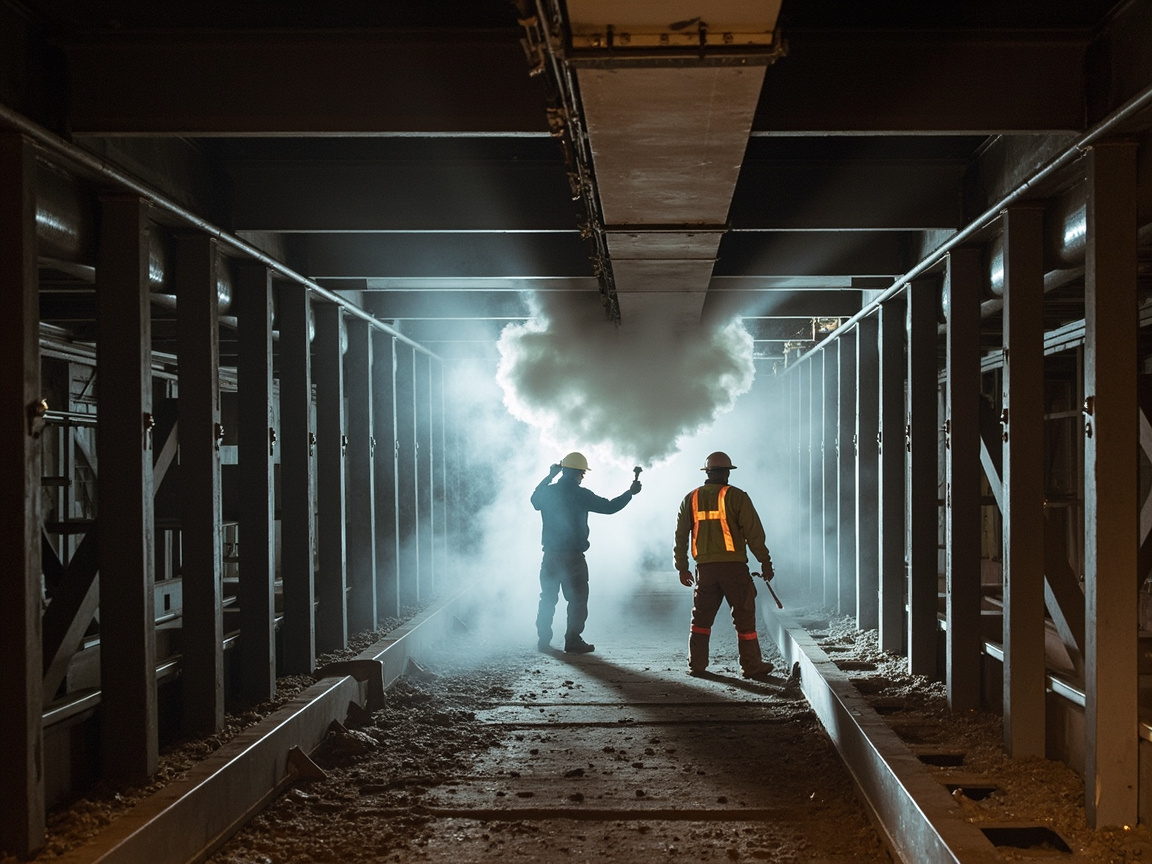
VI. Construction Environment and Temperature/Humidity Control
Bridge coating spans two types of working conditions: factory fabrication and site. Factory conditions are controllable, with temperature, humidity, and cleanliness all guaranteed; the site (especially sea-crossing bridges) is greatly affected by sea wind, high humidity, and salt spray, and is the link with the greatest quality fluctuation. The specification requires: substrate temperature at least 3℃ above dew point, relative humidity ≤ 85% (zinc-rich primer requires stricter, often ≤ 80%), windbreaks to be set up if wind speed is too high, and construction prohibited in rain, condensation, or fog. The recoat interval for each coat is executed according to TDS, and needs to be extended or heated in low-temperature seasons.
The site should also monitor atmospheric salt deposition rate, and increase surface rinsing and cleaning processes if it exceeds the limit. The splash zone of sea-crossing bridges will leave salt crystals on the surface after ebb tide; if coated directly, it is equivalent to sealing chloride ions under the coating, which will definitely rust later. Therefore, the specification requires that the tidal difference zone and splash zone must be rinsed with fresh water and tested for surface salt before coating. This detail is often just one sentence in the specification text, but it is the key to the success or failure of sea-crossing bridge anti-corrosion.
VII. Inspection and Acceptance: Putting the Specification into Data
Bridge coating acceptance is usually divided into two stages: factory and site, and they must not be confused:
- Factory pre-coating: Coating of loose parts before component assembly, inspecting DFT, appearance, and adhesion; conditions are good and data are reliable at this time;
- After site final assembly: Nodes, welds, and damaged repair areas are patched, and overall DFT and holiday detection are rechecked (using spark testing for thick-film and solvent-free layers, according to relevant spark testing specifications).
DFT shall be judged according to the 90/10 rule of ISO 19840 (90% of measurement points not less than the specified value, and the rest not less than 90% of the specified value); adhesion shall be according to ISO 4624; holiday points shall be according to relevant spark holiday detection specifications (e.g., NACE SP0188, holiday detection is recommended when dry film ≥ 500 µm). Appearance such as color difference, sagging, and orange peel shall be assessed by visual color comparison according to GB/T 9761. The core of acceptance is to translate the "specification text" into a "checkable data list"; any missing item means no sign-off.
VIII. Maintenance Coating: Specifications for the Full Life Cycle
Bridge design life is usually 50–100 years, and the anti-corrosion system needs to undergo multiple maintenances; it is by no means "coat once and it lasts a hundred years". Before maintenance, a corrosion and coating condition rating shall be performed (according to ISO 4628 blistering, rust spots, cracking, chalking grades) to determine whether local repair or overall recoating is needed. Local repair shall be blasted to Sa 2.5 (or at least St 3 for peripheral transition) and use compatible配套 transition; overall recoating shall be executed according to the original system or an upgraded system. Maintenance shall also be written into the specification to avoid the passive mode of "repaint when broken".
As a配套 supplier, Kexin New Materials (kexinMaterials) advocates the division of "in-plant primer and intermediate coat pre-coating + on-site topcoat and node repair" for bridge projects, which not only ensures stable Sa 2.5 quality in the plant but also reduces on-site high-altitude work, and provides DFT and adhesion traceability data for each batch of components, so that maintenance has evidence to check. The reason why many bridges' major repairs after twenty years of use go smoothly is precisely because the batch archives from the beginning were complete, enabling precise locating of which section, which year, and what配套 was used.
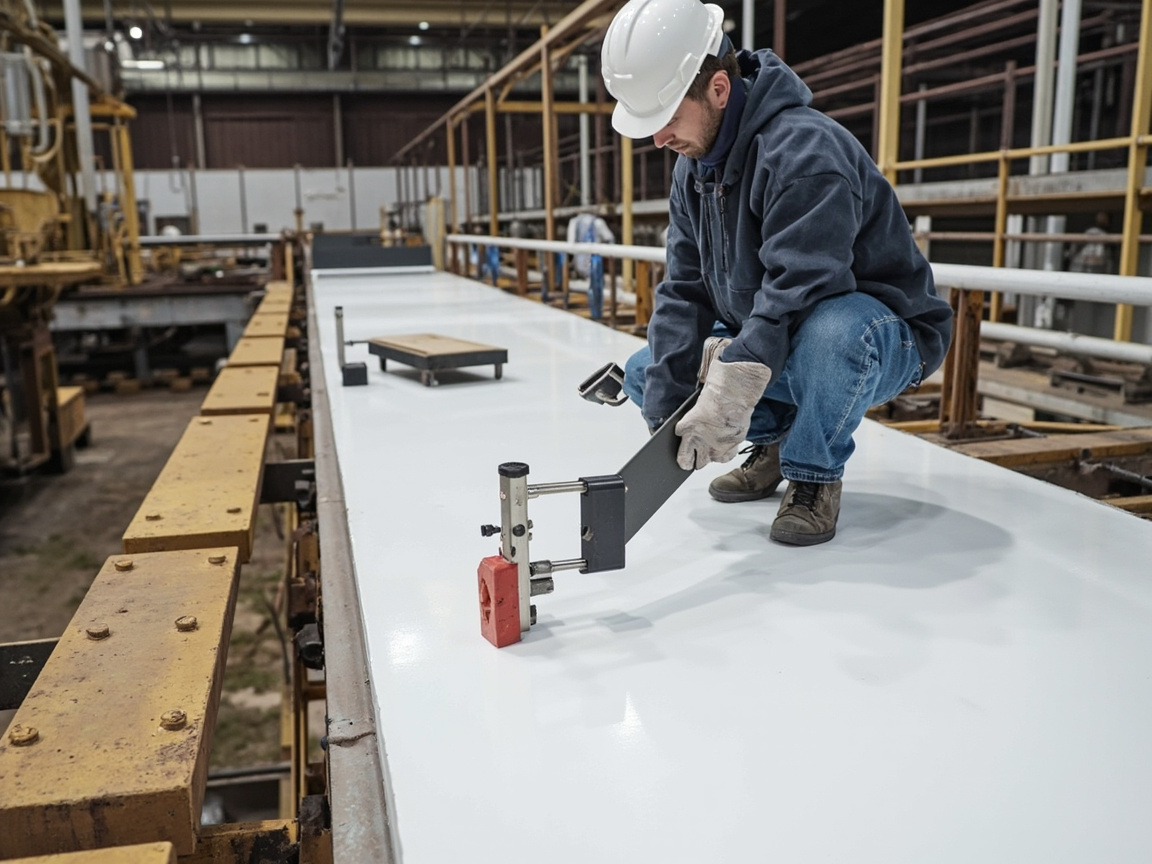
IX. Connection with ISO 12944
The corrosive environments I/II/III of JT/T 722 roughly correspond to C3/C4/C5–CX of ISO 12944. For foreign-related bridges or international consulting projects, the配套 table and durability grade (High H or Very High VH) of ISO 12944-5 should be referenced simultaneously, and the type testing of ISO 12944-6 should be used as third-party endorsement. This can satisfy both China's highway industry acceptance and connect with the international common language. It should be reminded that the two sets of standards are not in conflict but complementary: JT/T 722 is closer to the characteristics of bridge parts, while ISO 12944 provides a more complete international framework. Writing "national standard implementation + international endorsement" clearly in a dual-track manner in the specification is the best practice for large bridge projects.
X. Common Violations and Lessons
From the review of a large number of bridge anti-corrosion projects, the following violations are most common and worth taking as a warning:
- Violation 1: Box girder interior coated with the same配套 as the exterior surface. The enclosed interior surface has light corrosion but uses the high-cost exterior surface system, wasting cost; or conversely, the interior uses the wrong配套 leading to condensation rust.
- Violation 2: Overdue coating after blasting. High humidity at the seaside, substrate re-rusts after more than 4 h, adhesion collapses; this is the most typical "rushing schedule" accident.
- Violation 3: Topcoat replacing intermediate coat. To save process steps, polyurethane topcoat is applied thickly, insufficient barrier, total DFT seems compliant but rusts prematurely.
- Violation 4: Loss of control over recoating interval. Epoxy not fully cured at low temperature before applying topcoat, interlayer delamination, the entire配套 fails at the interface.
- Violation 5: No holiday detection. Pinholes in thick-film solvent-free coat not detected by spark, later pitting corrosion spreads from pinholes to the surroundings.
XI. Decomposition of a Typical Sea-Crossing Cable-Stayed Bridge配套 Example
Taking a sea-crossing cable-stayed bridge as an example, designed in dual-track according to JT/T 722-2008 and ISO 12944, the配套 for different parts can be decomposed as follows:
- Main tower exterior surface (CX grade): arc-sprayed aluminum 120 µm + epoxy sealer + epoxy micaceous iron oxide intermediate coat 120 µm + aliphatic polyurethane topcoat 80 µm, total DFT about 320–340 µm, durability target VH (≥25 years);
- Steel box girder exterior surface (C5 grade): epoxy zinc-rich primer 70 µm + epoxy micaceous iron oxide intermediate coat 140 µm + aliphatic polyurethane topcoat 80 µm, total about 290 µm, target H (High);
- Box girder interior (enclosed, Class I): epoxy zinc-rich primer 60 µm + epoxy paint 80 µm, total about 140 µm, with forced ventilation and dehumidification;
- Dehumidification and drainage: enclosed box chamber equipped with dehumidification system to keep internal relative humidity long-term < 50%, actually lowering the corrosive environment to a lower grade, an example of "design downgrading".
The example shows: different parts of the same bridge use different配套, relying on environmental zoning and accessibility fine design, rather than a one-size-fits-all. This is also the implementation demonstration of JT/T 722's zoning idea.
XII. Particularity of Steel Box Girder Interior Coating
The interior of the steel box girder is the most easily overlooked and most problematic area in bridge anti-corrosion: enclosed space, poor ventilation, prone to condensation, poor accessibility, difficult to repair later. The specification requires surface treatment and coating inside, but on-site it is often rushed due to schedule compression. Correct approach: before in-plant pre-assembly, apply primer + intermediate coat to parts first, after final assembly only repair welds and damage; install dehumidification system inside to control relative humidity; do final film thickness and holiday inspection before enclosure; after enclosure, periodically open holes for rating according to ISO 4628. Treat the "interior" the same as the "exterior", to avoid the disaster of the box girder rusting through from inside to outside.
XIII. Winter and Summer Construction and Curing Window Management
Sea-crossing bridge construction often spans seasons, and epoxy systems are extremely sensitive to temperature. Epoxy cures very slowly at low temperature (< 10℃), zinc-rich even does not dry; high temperature in summer shortens pot life sharply and easily gels. Management key points:
- In winter, select low-temperature curing agent (phenalkamine type can cure at 5℃), or set up heating shed; prohibit construction within 3℃ below dew point;
- In summer, avoid noon high temperature, construct in early morning and evening, shorten the placement time of mixed material;
- Recoating interval for the same bridge in different seasons should be dynamically adjusted and recorded, to avoid "using summer parameters for winter" causing non-drying.
Temperature, humidity, and dew point control are the lifeline of bridge on-site coating, especially for sea-crossing bridges; the supervisor must treat environmental records as a mandatory acceptance item.
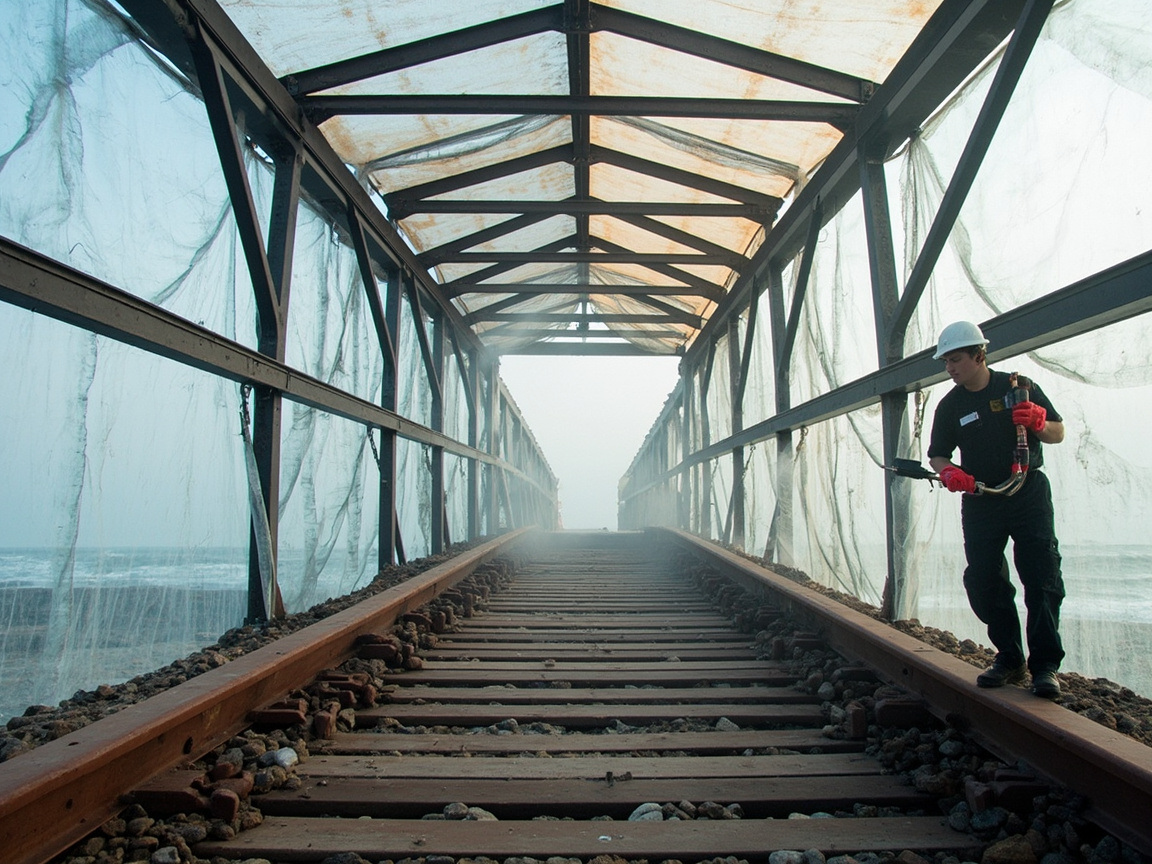
XIV. Supervisor Acceptance Checklist (Implementable Version)
To implement JT/T 722 into acceptance, it is recommended that the supervisor check item by item according to the following list: ① Blasting grade photo comparison (Sa 2.5/Sa 3); ② Roughness replica or instrument measurement range; ③ Surface salt Bresle test value; ④ 90/10 rule record for each coat DFT; ⑤ Adhesion pull-off or cross-cut data; ⑥ Recoating interval and environmental records; ⑦ Spark holiday detection (thick-film coat); ⑧ Coating batch number and TDS consistency. Missing item means no sign-off. Kexin New Materials (kexinMaterials) delivers process cards for bridge projects containing the above check items, convenient for the supervisor to close with one table, and also convenient for tracing the quality archive of each section of components during later maintenance.
XV. Reference for Key Performance Indicators of Bridge Anti-Corrosion配套 Materials
After selection according to JT/T 722 and ISO 12944, the implementation stage also needs to propose quantitative requirements for the specific performance indicators of each coat of coating, to avoid "having配套 but no indicators" leading the contractor to use inferior products. Typical control items are as follows (values are common industry magnitudes, specific to each product's TDS):
| Coat | Volume Solids | Theoretical Spreading Rate (µm/L) | Single Coat DFT (µm) | Key Indicators |
|---|---|---|---|---|
| Epoxy zinc-rich primer | 55%–70% | approx. 2.8 | 60–80 | Zinc content ≥70%, fast surface dry |
| Epoxy micaceous iron oxide intermediate coat | 70%–85% | approx. 3.5 | 80–120 | MIO content, intercoat adhesion |
| Aliphatic polyurethane topcoat | 50%–65% | approx. 2.5 | 40–60 | Gloss retention, VOC ≤420 g/L |
These indicators shall be written into the bidding technical specification and process card, as the basis for incoming inspection and construction control. Volume solids determine single-coat achievable film thickness and VOC, theoretical spreading rate determines material accounting, single-coat DFT determines the number of coating passes. Many bridge projects later have "excessive coating passes, out-of-control cost", the root cause is that volume solids and single-coat film thickness were not locked in the bidding, and the contractor used low-solid products to make up, instead increasing passes and labor.
XVI. Special Reinforcement for Splash Zone and Tidal Zone of Sea-Crossing Bridges
In sea-crossing bridges, the splash zone and tidal zone are the most severe corrosion parts: most frequent wet-dry alternation, most sufficient oxygen supply, highest chloride ion concentration, corrosion rate can be several times that of the atmospheric zone. In the specification, they should be separately classified as CX or even higher than CX local environment, and the配套 should be further thickened or overlaid with metal spraying on the basis of the conventional exterior surface system. Common practice: besides the conventional "zinc-rich + micaceous iron oxide + polyurethane", thicken the arc-sprayed aluminum layer to 150–200 µm, or use ultra-thick solvent-free epoxy as an additional barrier; welds, nodes, and other stress concentration points should be locally reinforced before overall coverage.
XVII. The Last Mile from Specification to Site
No matter how perfect the specification, if the supervisor cannot use it and the contractor is unwilling to comply, it is just paper. The "last mile" of bridge anti-corrosion specification lies in: translating standard clauses into on-site executable process cards and acceptance checklists, taking photos of blasting grade, doing 90/10 statistics for film thickness, keeping pull-off data for adhesion, and keeping batch archives for coatings. When each process has traceable data, the specification truly lands. Establishing a closed loop of "specification + process card + inspection index + batch traceability" is the concrete practice of moving JT/T 722 and ISO 12944 from paper to site.
XVIII. Typical Numerical Benchmarks and Acceptance Comparison for Bridge Anti-Corrosion
Translate the preceding specifications into quantifiable values. Below are typical numerical benchmarks for domestic bridge projects (based on the tables in JT/T 722-2008 and the acceptance requirements of GB 50205, in µm, as typical orders of magnitude; refer to the project specification for specifics):
| Location | Minimum Total DFT (µm) | Adhesion Requirement | Surface Preparation |
|---|---|---|---|
| External surface (Class III) | 260–320 | ≥ 5 MPa / Grade 1 | Sa 2.5 |
| Non-enclosed internal surface (Class II) | 200–240 | ≥ 5 MPa / Grade 1 | Sa 2.5 |
| Enclosed internal surface (Class I) | 120–160 | ≥ 3 MPa | Sa 2.5 |
| Steel bridge deck pavement layer | 2000–3000 | Bond strength | Sa 2.5 + sandblasting roughening |
These values are not "the higher the better", but rather "sufficient and traceable". During acceptance, the supervisor should compare the DFT and adhesion of each location against the table above and check item by item. For enclosed internal surfaces, although the lower DFT limit is lower, the dehumidification and drainage design are equally critical—much internal corrosion of box girders is not due to insufficient film thickness, but to long-term condensation after water ingress. Binding the numerical benchmarks together with environmental design and maintenance systems truly closes the loop on bridge anti-corrosion, and avoids mistakenly treating "applying two more coats" as the only means to "greater durability". In fact, in environments above C4, the impact of surface preparation grade and system completeness is often more significant than simply increasing DFT, which is also why the specification repeatedly emphasizes Sa 2.5 and the three-layer division of labor.
In addition, JT/T 722 also quantifies some details, for example, soluble salt on the surface before coating should be controlled at a very low level (per ISO 8502-6 Bresle method, typical requirement ≤ 20 mg/m² or even lower, depending on location and corrosive environment), because even if the film thickness meets the standard, residual salt will induce osmotic blistering under the coating. Site supervisors easily overlook this; the consequence of letting it pass as "conditionally acceptable" is often large-area blistering of the external surface within two years. Treating "salt—film thickness—adhesion" as a combined acceptance threshold is more reliable than solely monitoring DFT, and this is also the recent trend in bridge anti-corrosion acceptance shifting from "measuring thickness" to "measuring comprehensive quality". For sea-crossing bridges, salt crystals on the surface of the splash zone after ebb tide must first be rinsed with fresh water and re-measured, otherwise chloride ions are permanently sealed under the coating; omitting this process is the hidden root cause of premature major repairs of many sea-crossing bridges.
FAQ
Q: How to choose between JT/T 722-2008 and ISO 12944 for bridges?
A: Domestic highway bridges take JT/T 722-2008 as the direct acceptance basis, whose corrosion zoning and system tables better fit bridge locations; meanwhile, reference ISO 12944's durability and third-party type testing as internationally common endorsement. The two do not conflict; it is recommended to clearly write "national standard implementation + international endorsement" dual-track in the specification, satisfying both Chinese highway industry acceptance and alignment with international common language.
Q: What is the typical total DFT for bridge external surfaces?
A: For sea-crossing bridge external surfaces (Class III corrosive environment), organic system total DFT is typically 260–320 µm, metal spray composite system adds another 100–150 µm aluminum layer; inland bridge external surfaces about 200–240 µm. Refer to location and durability target specifically, and should meet the 90/10 film thickness rule, i.e., 90% of measurement points not lower than the specified value, and the rest not lower than 90% of the specified value.
Q: Why is the corrosion environment for enclosed box girder interiors rated lower instead?
A: Enclosed internal surfaces have poor ventilation but are less directly washed by rain and salt spray, relative humidity is controllable, no UV, corrosion rate is lower than external surfaces, so JT/T 722 classifies enclosed internal surfaces into lower corrosion environment (Class I), system can be simplified, total DFT lower. But once water ingress and condensation occur, severe corrosion still happens, so enclosure and drainage design are equally critical, cannot be ignored just because the zoning is lower.
Q: What are the advantages of arc-sprayed aluminum system over pure organic system?
A: The metal aluminum layer itself is corrosion-resistant and provides cathodic protection to the steel substrate, forming a "dual-metal + organic" composite system (duplex) with subsequent organic coating, durability can reach 20–30 years, far longer than a single organic system. The cost is requirement of Sa 3 and dedicated equipment, higher cost, mostly used for the most critical external surfaces of sea-crossing bridges, a choice of "high cost for long life".
Q: What surface preparation grade is used for bridge site repair?
A: Where blasting is possible, still Sa 2.5; where space-limited, power tool cleaning to St 3 (ISO 8501-1) is allowed, with feathering transition (surrounding ground to slope), ensuring repair system compatible with original coating and adhesion meets standard. Before repair, all loose rust and old paint must be completely removed, otherwise new paint will fall off together with the loose layer.
Q: Use pull-off or cross-cut for adhesion acceptance?
A: The two are complementary. Quick on-site initial assessment uses cross-cut method (GB/T 9286, requirement Grade 1); formal acceptance and dispute judgment use pull-off method (ISO 4624 / GB/T 5210), requirement inter-layer and to substrate ≥ 5 MPa, and failure within coating rather than at interface. Key load-bearing nodes should use pull-off as standard, cross-cut method cannot be the sole basis for final acceptance.
Q: Are bridge deck pavement layer and superstructure coating the same thing?
A: No. Superstructure steel structure coating is atmospheric anti-corrosion, total DFT hundreds of microns; bridge deck (orthotropic plate) pavement system is for resisting wheel wear and bonding, involving epoxy asphalt, polyurethane and other thicker systems, is pavement engineering rather than anti-corrosion coating, standards and acceptance are different, cannot be mixed, and certainly cannot use pavement thickness to pad the anti-corrosion DFT.
Q: When for maintenance coating to do full recoat, when local repair?
A: First rate existing coating for rust, blistering, chalking per ISO 4628. Localized rust, intact substrate then local repair; widespread chalking, cracking, large rust area then full recoat. Decision should be based on condition rating data, not visual impression, and certainly not full grinding and recoat without rating, which is wasteful and may damage base material.
Q: Why is site coating humidity stricter than in factory?
A: Sea-crossing bridge site relative humidity often > 85%, and contains chloride salt spray, zinc-rich primer absorbs moisture easily whitens, adhesion drops. Specification requires relative humidity ≤ 85%, substrate 3℃ above dew point, zinc-rich primer often requires ≤ 80%, and set windbreak anti-fog shelter, heat dehumidify if necessary. When site salt deposition is high, also increase fresh water rinse and surface salt detection.
Q: How to ensure coating traceability over 50-year life?
A: Establish archives for each batch of components, each coat's DFT, adhesion, environmental records and paint batch number, maintain per ISO 4628 periodic rating and archive. Suppliers such as Kexin New Materials (kexinMaterials) provide traceable process cards and inspection indexes with goods, supporting full-life management, making every maintenance in the fifty years traceable, rather than by memory or handwritten copies.
Further Reading
- ISO 12944 Anti-corrosion Coating System Selection Guide: Understand the bridge JT/T 722 anti-corrosion specification within the international framework of ISO 12944, grasp environmental grade and system selection logic.
- Micaceous Iron Oxide Intermediate Coat Shielding Mechanism: Understand why bridge intermediate coats commonly use epoxy micaceous iron oxide, and how flake fillers extend the penetration path of corrosive media.
- Aliphatic Polyurethane Topcoat Weather Resistance: The key to gloss and color retention of bridge external topcoat, determining the weather-resistant performance of sea-crossing bridges not chalking, not fading for twenty years.
- Solvent-free Epoxy Heavy-duty Anti-corrosion Coating
- Tank Internal Anti-corrosion Coating Design and Material Selection
- Alkyd Anti-rust Paint: Iron Red/Gray Anti-rust, Application Characteristics and Limitations